Essential Tips for Staying Safe in Arizona's High-Altitude Heat
- Mar 21
- 3 min read
Arizona’s higher elevations offer cooler temperatures than the desert floor, but the heat risk remains real and often underestimated. The combination of intense ultraviolet (UV) radiation, dry air, steep terrain, and limited shade creates a unique challenge for outdoor enthusiasts. Even experienced hikers and campers can find themselves caught off guard by the effects of heat at altitude. This guide explains how to prepare effectively and stay safe while enjoying Arizona’s beautiful high-altitude landscapes.

Understand the Heat Differences at Higher Elevations
Temperatures at higher elevations in Arizona are generally lower than in the desert valleys. For example, Flagstaff, sitting at about 7,000 feet, often experiences summer highs in the 80s (°F), while Phoenix can soar above 110°F. This difference can create a false sense of security. The air is thinner, meaning less oxygen, and the sun’s rays are stronger due to less atmospheric filtering.
UV radiation increases about 4% for every 1,000 feet of elevation gain. This means at 7,000 feet, UV exposure is roughly 28% stronger than at sea level.
Low humidity reduces sweating efficiency. Your body cools itself by evaporating sweat, but dry air can cause sweat to evaporate quickly before cooling the skin.
Physical exertion on steep terrain raises body temperature. Hiking uphill or carrying gear increases heat production inside your body.
Knowing these factors helps you plan better hydration, clothing, and activity levels.
Hydration Strategies for Dry, High-Altitude Heat
Staying hydrated is the most critical step to prevent heat-related illnesses. Dehydration happens faster at altitude because of increased breathing rate and dry air.
Drink water regularly, not just when thirsty. Thirst is a late signal of dehydration.
Carry at least 3 liters of water per day for moderate activity. Increase this amount if you plan strenuous hiking or if temperatures rise.
Use electrolyte supplements or sports drinks. These replace salts lost through sweat and help maintain fluid balance.
Avoid alcohol and caffeine before and during outdoor activities. Both can increase dehydration risk.
Plan your water sources ahead. Many high-elevation trails have limited or no water access, so bring enough or know where reliable springs or refill stations are located.
Dress Smart to Protect from Sun and Heat
Clothing plays a vital role in managing heat and UV exposure.
Wear lightweight, breathable fabrics. Materials like nylon or polyester wick moisture away from your skin.
Choose light colors to reflect sunlight. Dark colors absorb heat and increase body temperature.
Use long sleeves and pants for sun protection. Thin, loose-fitting garments shield your skin while allowing airflow.
Wear a wide-brimmed hat and UV-blocking sunglasses. These protect your face, neck, and eyes from intense sunlight.
Apply broad-spectrum sunscreen with at least SPF 30. Reapply every two hours or after sweating.
Layering is useful because temperatures can drop quickly in the evening or at higher altitudes. Carry a light jacket or fleece for cooler periods.

Pace Yourself and Choose the Right Time for Activities
Physical exertion increases heat production, so managing your activity level is key.
Start early in the morning or late afternoon. Avoid hiking or strenuous work during midday when the sun is strongest.
Take frequent breaks in shaded areas. Resting helps your body cool down and reduces heat stress.
Listen to your body. Signs of heat exhaustion include dizziness, headache, nausea, and excessive sweating.
Adjust your pace based on altitude and temperature. Even if you feel fit, altitude can reduce your stamina.
If you are new to high-altitude hiking, spend a day or two acclimating before attempting long or steep trails. This helps your body adjust to lower oxygen levels and heat conditions.
Recognize and Respond to Heat-Related Illnesses
Heat illnesses can escalate quickly if ignored. Knowing the symptoms and how to respond saves lives.
Heat cramps: Muscle spasms caused by salt loss. Rest, hydrate, and stretch.
Heat exhaustion: Heavy sweating, weakness, cold skin, nausea, and headache. Move to shade, drink fluids, and cool the body.
Heat stroke: Confusion, hot dry skin, rapid pulse, loss of consciousness. This is a medical emergency. Call for help and cool the person immediately.
Always carry a basic first aid kit and a communication device. Let someone know your plans and expected return time.
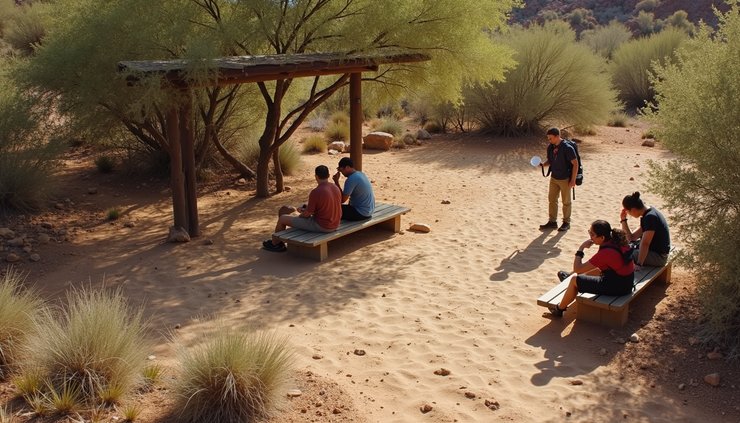
Plan for Limited Shade and Shelter
Shade is scarce in many high-elevation Arizona areas, especially on exposed ridges or rocky slopes.
Scout your route for natural shade spots like trees or large boulders. Plan breaks around these locations.
Bring portable shade if possible. A lightweight umbrella or sun shelter can provide relief during long rests.
Use reflective blankets or tarps to create shade. These are compact and easy to carry.
Avoid camping in direct sun during the day. Set up tents in shaded or sheltered spots to reduce heat buildup inside.


